


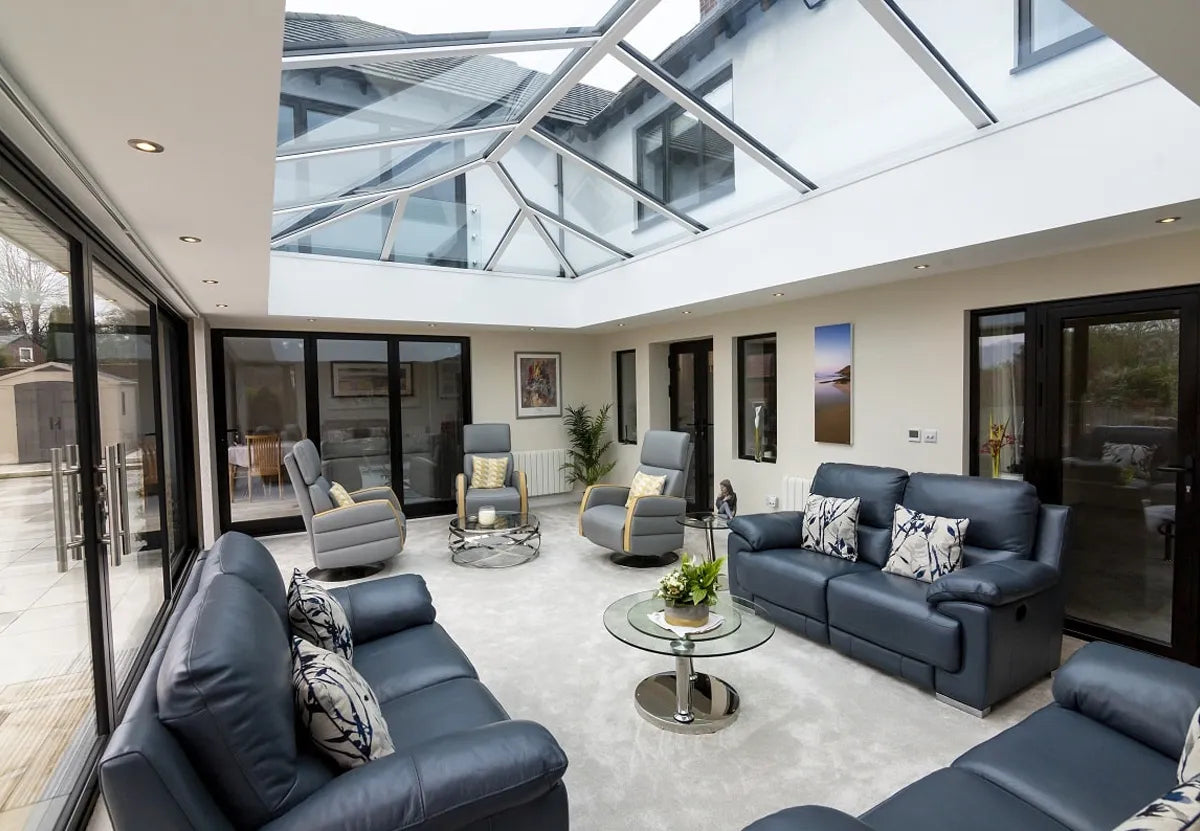
Imagine transforming your home into a haven of natural light and elegance with an orangery design that features a larger roof lantern. This stunning combination not only enhances your living space but also creates a seamless blend between your indoor and outdoor environments. As more homeowners seek to elevate their home improvement projects, the demand for innovative glazing solutions like these is on the rise. Whether you’re looking to extend your home or simply add a touch of sophistication, an orangery with a roof lantern offers an unparalleled way to enhance your home’s appeal and functionality. Join us as we delve into the essentials of this dynamic home extensionand explore how it can revolutionise your approach to gardening and outdoor living spaces.
Enhance Your Home with Orangery Design
An orangery design can dramatically transform your living space, merging the indoors with the outdoors in a sophisticated and functional way. Let’s explore the key benefits and design elements that make orangeries a popular choice for homeowners.
Benefits of Larger Roof Lanterns
Larger roof lanterns are a defining feature of modern orangeries, offering numerous advantages to homeowners. These expansive glazed structures flood your space with natural light, creating a bright and airy atmosphere that’s hard to achieve with traditional extensions.
One of the primary benefits is the enhanced sense of space. Larger roof lanterns can make rooms feel more open and spacious, even in smaller areas. This optical illusion of increased height and volume can transform the feel of your entire home.
Energy efficiency is another key advantage. Modern roof lanterns are designed with high-performance glass that helps regulate temperature, keeping your orangery cool in summer and warm in winter. This can lead to significant savings on your energy bills over time.
Lastly, larger roof lanterns offer unparalleled views of the sky, allowing you to stargaze from the comfort of your home or enjoy the changing patterns of clouds during the day. This connection with nature can have positive effects on your mood and well-being.
Integrating Natural Light and Style
Integrating natural light through an orangery design is not just about brightness; it’s about creating a harmonious blend of indoor comfort and outdoor aesthetics. The key lies in thoughtful design that maximises light while complementing your home’s existing style.
Consider the orientation of your orangery when planning. South-facing orangeries receive the most light but may require additional cooling measures. East-facing structures offer morning light, ideal for breakfast rooms, while west-facing orangeries provide warm evening light, perfect for dining areas.
The choice of materials plays a crucial role in style integration. Traditional orangeries often feature brick pillars and ornate cornices, while modern designs may opt for sleek aluminium frames and minimalist lines. Your choice of furniture should also reflect this style, creating a cohesive look throughout the space.
Lighting design is equally important. While natural light is abundant during the day, strategically placed artificial lighting can extend the usability of your orangery into the evening hours, creating a warm and inviting atmosphere.
Designing Your Ideal Orangery
Designing an orangery is an exciting process that allows you to create a truly bespoke space tailored to your needs and preferences. From selecting the perfect roof lantern to optimising your outdoor living area, every decision contributes to the final result.
Choosing the Right Roof Lantern
Selecting the right roof lantern is crucial in creating your ideal orangery. The size, style, and materials of your roof lantern will significantly impact both the aesthetics and functionality of your space.
Consider the proportions of your orangery when choosing the size of your roof lantern. A general rule of thumb is that the roof lantern should cover about 25-30% of the roof area for optimal light and visual balance. However, this can vary depending on your specific needs and design preferences.
Material choice is another important factor. Aluminium frames are popular for their strength, durability, and slim profiles, allowing for larger glazed areas. Timber frames offer a more traditional look but require more maintenance. uPVC is a cost-effective option but may not be suitable for larger structures.
The glazing itself is equally important. opt for high-performance glass with good insulation properties and solar control coatings. This will help maintain a comfortable temperature year-round and protect your furniture from UV damage.
Maximising Your Outdoor Living Space
An orangery provides a unique opportunity to maximise your outdoor living space, creating a seamless transition between your home and garden. The key is to design with both indoor comfort and outdoor connection in mind.
Start by considering the layout of your orangery. Large sliding or bi-fold doors can create a wide opening to your garden, blurring the lines between inside and out. Position seating areas to take advantage of garden views and ensure easy access to outdoor spaces.
Incorporate plants into your orangery design to enhance the connection with nature. Choose a mix of indoor and outdoor plants that thrive in the unique environment of an orangery. This can create a lush, garden-like atmosphere even in cooler months.
Consider adding features like a small water fountain or a vertical garden wall to bring more elements of nature indoors. These not only enhance the aesthetic appeal but can also improve air quality and create a soothing ambiance.
Home Improvement Tips for Orangeries
Adding an orangery is a significant home improvement project that can add value to your property and enhance your living experience. Here are some tips to ensure your orangery project is a success.
Cost-Effective Home Extensions
While orangeries are a luxurious addition to any home, there are ways to make them more cost-effective without compromising on quality or style.
Start by carefully planning your project. A well-thought-out design can help avoid costly changes later. Consider working with an experienced architect or designer who specialises in orangeries to optimise your design and budget.
“The key to a cost-effective orangery is balancing quality materials with smart design choices. It’s about creating a space that feels luxurious without breaking the bank.” – Glazing Store Expert
Choose materials wisely. While high-quality materials may cost more upfront, they often prove more cost-effective in the long run due to their durability and lower maintenance requirements. For example, aluminium frames may be more expensive than uPVC but offer better longevity and require less upkeep.
Consider the following cost-saving measures:
-
Opt for a simple design with clean lines rather than ornate details
-
Choose standard sizes for windows and doors where possible
-
Invest in high-quality insulation to reduce long-term energy costs
-
Consider a DIY approach for some aspects, like painting or basic landscaping
Remember, an orangery is an investment in your home. While it’s important to be cost-conscious, don’t compromise on essential elements that ensure the longevity and functionality of your new space.
Gardening Considerations for Your Orangery
An orangery provides a unique environment for gardening, bridging the gap between indoor and outdoor growing spaces. With the right approach, you can create a thriving garden within your orangery.
Temperature control is crucial for successful orangery gardening. Most plants thrive in temperatures between 13-24°C (55-75°F). Use thermometers to monitor conditions and adjust ventilation as needed. Many roof lanterns come with built-in vents to help regulate temperature.
Humidity is another important factor. Many tropical plants prefer higher humidity levels. Consider using a humidifier or placing trays of water near your plants to increase moisture in the air.
Choose plants that are well-suited to the orangery environment:
-
Citrus trees (lemon, orange, lime)
-
Mediterranean herbs (rosemary, thyme, basil)
-
Tropical plants (orchids, ferns, palms)
-
Succulents (for sunny, dry areas)
Remember to provide adequate drainage for your plants and use high-quality potting soil. With the right care, your orangery can become a year-round garden oasis, providing beauty and potentially even fresh produce for your kitchen.
Share:
How to Install the Korniche Roof Lantern – A quick step guide
Home Improvement Ideas: Elevate Interiors with Roof Lanterns