


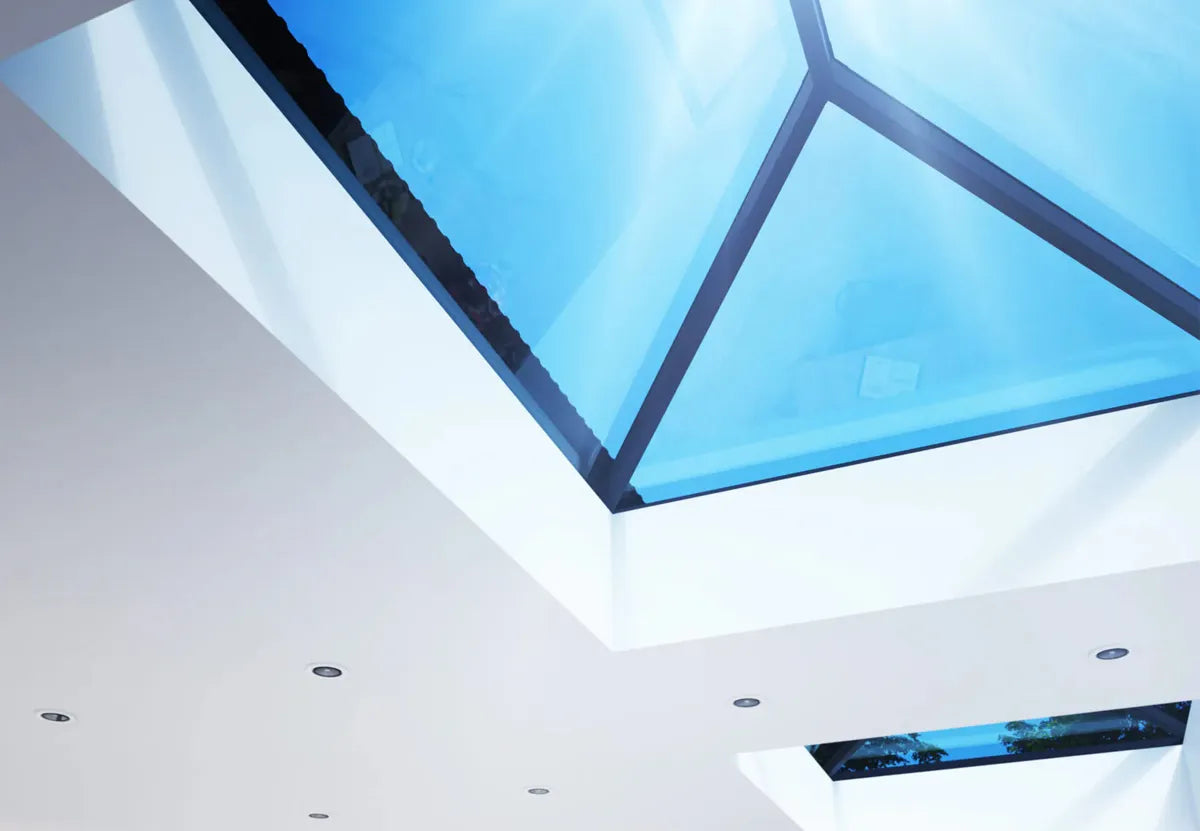
In the world of home improvement, few elements have the transformative power of natural light. It has the ability to uplift moods, enhance spaces, and even improve energy efficiency. Roof lanterns, a timeless architectural feature, offer a sophisticated means of harnessing natural light. This article aims to inspire home improvement professionals with creative ideas on using roof lanterns to elevate interior designs, providing inspiration and practical methods for maximising their potential in various projects.
Understanding Roof Lanterns
Before diving into design ideas, it’s important to grasp what roof lanterns are and how they function. A roof lantern is a glass structure installed atop a flat roof, designed to allow natural light to flood into the space below. Unlike skylights, which sit flush with the roof, roof lanterns are raised, often adding aesthetic appeal to the exterior of a building.
These structures are made from multiple glazed panels, held together by a framework typically constructed from materials such as aluminium, timber, or uPVC. The choice of material can influence not only the look but also the thermal efficiency of the roof lantern.
The Benefits of Roof Lanterns
- Natural Illumination: Roof lanterns maximise daylight, creating well-lit spaces that can reduce the need for artificial lighting during the day, thus lowering energy costs.
- Enhanced Aesthetics: The architectural elegance of roof lanterns adds a striking visual element both inside and out, transforming any room into a sophisticated, airy space.
- Energy Efficiency: With the right glazing options, roof lanterns can contribute significantly to a home’s energy efficiency, reducing heat loss while allowing for solar gain.
- Flexibility in Design: Available in various sizes and designs, roof lanterns can be customised to complement both traditional and modern aesthetics.
Design Ideas for Inspiring Interiors
-
Open Plan Living Spaces: Open plan areas benefit enormously from the addition of roof lanterns. By installing them in dining areas or kitchen zones, you create a central illuminated hub that naturally draws occupants into the space.
Design Tip: Consider positioning the roof lantern above a kitchen island or dining table to create a focal point filled with light. Opt for minimalist frame designs to enhance the sense of openness. -
Elegant Conservatories: Roof lanterns can transform conservatories into luxurious, light-filled retreats. Whether you’re aiming for a classic Victorian style or a sleek contemporary design, a roof lantern allows you to bring the outdoors inside.
Design Tip: Pair roof lanterns with bifold doors to blur the boundary between indoor and outdoor spaces, creating a seamless transition and a sense of expansiveness.
Design Tip: Use roof lanterns in combination with strategically placed mirrors to reflect light throughout the loft, maximising brightness and creating an illusion of a larger space. -
Bright Bathrooms: A roof lantern in a bathroom provides a private light source without compromising privacy. This is particularly effective in smaller bathrooms or en-suite where wall space for windows is limited.
Design Tip: Choose frosted or tinted glazing for privacy while maintaining the light benefits. Match the frame colour with the bathroom’s fixtures for a cohesive look. -
Statement Hallways: Often overlooked, hallways can be transformed by adding a roof lantern. As entry points to a home, well-lit hallways create a welcoming ambiance and set the tone for the entire home.
Design Tip: Incorporate a grand roof lantern as a central feature in a long hallway. This not only brightens the passage but also elevates the entire aesthetic of the entrance area.
Practical Considerations
When planning to incorporate roof lanterns, there are several practical aspects to consider:
- Structural Requirements: Ensure that the roof can support the additional weight and structural changes required for a roof lantern installation.
- Planning Permissions: Check local regulations and planning permissions, as installing a roof lantern might require approval depending on location and property type.
- Thermal Efficiency: Opt for high-performance glazing to maintain energy efficiency. Double or triple glazing options can provide excellent insulation, reducing heat loss in the winter and overheating in the summer.
- Ventilation Needs: Consider incorporating opening sections or vents to aid ventilation and help regulate temperature within the space.
Conclusion
Roof lanterns are more than just a window to the sky; they are a gateway to a brighter, more energy-efficient, and aesthetically pleasing home. By exploring creative ways to utilise roof lanterns, home improvement professionals can deliver unparalleled transformations that captivate clients and enhance living environments. Embrace the possibilities and let your design imagination soar with roof lanterns as a focal element in your next project.
With these inspiring ideas and considerations in mind, roof lanterns provide the perfect opportunity to bring natural light and elegance into any home renovation or improvement project. Whether it’s a modern refurbishment or a traditional enhancement, roof lanterns stand as a testament to the power of light and design in shaping beautiful, functional interiors.
Share:
Transform Your Home with an Orangery Design: The Ultimate Guide to Larger Roof Lanterns
Discover the Korniche FlatLite: The Future of Roof light Innovation for Modern Homes