


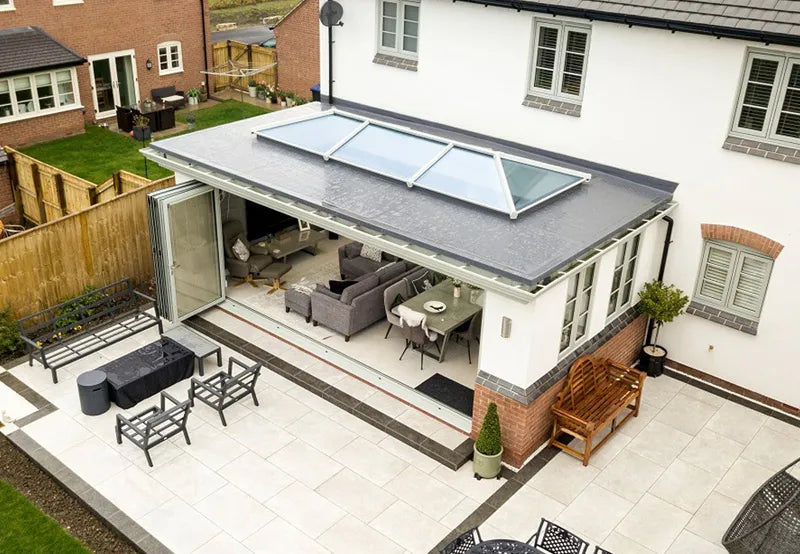
Shedding Light on Quality: How to Choose the Best Roof Lanterns for Your Projects
In the ever-evolving world of glazing, selecting the best roof lanterns for your projects can significantly impact both aesthetics and functionality. Roof lanterns, often referred to as roof lantern skylights, not only illuminate interiors with natural light but also enhance the architectural charm of any building. As a trusted industry partner, we understand that making informed choices is crucial, especially when aiming for top-notch quality and performance. From the sleek design of korniche roof lanterns to other leading options, we’ll guide you through key considerations to ensure you choose the best roof lanterns for your needs. Whether you’re a seasoned professional or new to the trade, we’re here to support your journey with insights and expertise.
Understanding Roof Lanterns
Defining Roof Lanterns and Skylights
Roof lanterns and skylights, while similar, serve slightly different purposes. Roof lanterns are architectural features that protrude from a building’s roof, allowing natural light to pour in from multiple angles. They’re often the centerpiece of a room, offering both aesthetic appeal and functional benefits. On the other hand, skylights are flat, window-like structures that are installed flush with the roofline. They maximize light entry but typically offer less architectural flair than lanterns. Both options significantly enhance daylighting, reducing reliance on artificial lighting and improving energy efficiency. Roof lantern skylights can blend the best of both worlds, offering the sleek look of a skylight with the multi-dimensional light benefits of a lantern. For those in the trade, understanding these distinctions is crucial when advising clients or embarking on home improvement projects, ensuring the best roof lanterns are chosen for each unique setting.
Benefits of Installing Roof Lanterns
Roof lanterns offer a range of benefits that go beyond mere aesthetics. One of the most significant advantages is the substantial increase in natural light, which can transform dark or enclosed spaces into welcoming, vibrant areas. This influx of daylight not only enhances the visual appeal but also contributes to well-being by creating a more uplifting environment. Additionally, roof lantern skylights can improve a building’s energy efficiency. By maximizing natural light, they reduce the need for artificial lighting, leading to lower energy consumption and costs. Furthermore, roof lanterns can add value to a property by elevating its architectural style and making interiors more attractive. Their versatility in design means they can complement both traditional and contemporary buildings, offering a unique blend of functionality and elegance. For glazing professionals and home improvement experts, these benefits make roof lanterns a compelling choice for enhancing any project.
Common Materials Used
When selecting materials for roof lanterns, it’s essential to consider both durability and aesthetics. Common materials include aluminum, timber, and uPVC, each offering distinct advantages. Aluminum is a popular choice due to its strength and low maintenance requirements. It provides a sleek, modern look and is resistant to corrosion, making it ideal for long-lasting installations. Timber, on the other hand, offers a classic, warm appearance that complements traditional architectural styles. While it may require more upkeep to prevent weathering, its natural beauty is unmatched. uPVC is another option, known for its cost-effectiveness and energy efficiency. It’s versatile and can mimic other materials while providing excellent insulation properties. Each material has its place in the industry, and the best choice often depends on the specific needs of the project, including budget, desired aesthetics, and environmental conditions. Understanding these materials helps in selecting the best roof lanterns for any application.
Choosing the Best Roof Lanterns
Key Features to Consider
When choosing the best roof lanterns, several key features should be evaluated to ensure optimal performance and durability. Firstly, consider the thermal efficiency of the roof lantern skylight. High-quality glazing should minimize heat loss and enhance energy efficiency, which is crucial in reducing heating costs. Next, focus on the design and aesthetics. Roof lanterns should complement the building’s architecture, whether you’re aiming for a modern, minimalist look or a more traditional design. Ventilation options are another important aspect, as they can help regulate indoor temperatures and improve air quality. Additionally, consider the ease of installation and maintenance. Products like the korniche roof lanterns are designed for straightforward installation, saving time and reducing labor costs. Finally, assess the warranty and support offered by manufacturers, ensuring you have reliable backup in case of defects or issues. Prioritizing these features will lead to the selection of roof lanterns that meet both functional and aesthetic requirements.
Comparing Top Brands: Korniche and Others
When it comes to selecting roof lanterns, Korniche stands out as a top contender thanks to its innovative design and user-friendly installation features. Korniche roof lanterns are known for their exceptional thermal performance, which helps optimise energy efficiency. Their slim, elegant frames also maximize the amount of light entering a space, making them a favorite in the industry. In comparison, other leading brands offer unique advantages too. Some may focus on bespoke designs, catering to specific architectural requirements, while others might emphasize environmental sustainability by using eco-friendly materials. Additionally, competitive brands might offer enhanced customisation options, allowing for personalisation to meet distinct client needs. When evaluating these brands, consider factors such as warranty coverage, customer service, and product reviews. Each brand has its strengths, so the best choice often hinges on the specific priorities of the project, whether they be style, efficiency, or cost-effectiveness.
Installation Tips for Professionals
Proper installation of roof lanterns is crucial to ensure they perform effectively and last for years. To begin with, always adhere to the manufacturer’s guidelines, as these will provide specific instructions tailored to the product. For instance, Korniche roof lanterns are designed for straightforward assembly, but precise alignment and sealing are critical to prevent leaks and ensure thermal efficiency. It’s also important to prepare the roof opening accurately, ensuring it matches the dimensions of the roof lantern skylight. Use high-quality sealants and flashings to create a watertight barrier, protecting against weather elements. Additionally, during installation, handle all components with care to prevent damage to the glazing or frames. For professionals, investing time in training and staying updated on the latest installation techniques can enhance efficiency and client satisfaction. By following these tips, you can ensure a smooth installation process, resulting in the best roof lanterns that meet both aesthetic and functional goals.
Maximising Energy Efficiency
Insulation and Glazing Options
For roof lanterns to contribute effectively to a building’s energy efficiency, selecting the right insulation and glazing options is vital. Double or triple glazing is often recommended for roof lantern skylights as it significantly reduces heat loss while minimizing condensation. Low-E (low-emissivity) glass is another excellent choice, as it reflects heat back into the room during colder months while still allowing ample sunlight. Argon-filled glazing units provide additional insulation, enhancing thermal performance without compromising on light transmission. Alongside glazing, the frame materials also play a role in insulation. Materials like thermally broken aluminum can prevent heat transfer, aiding in maintaining consistent indoor temperatures. Proper sealing during installation is crucial to avoid air leaks, which can undermine the insulating properties of the glazing. By carefully selecting these elements, professionals can ensure that the best roof lanterns contribute to a comfortable indoor environment and reduced energy costs.
Maintenance for Longevity
Regular maintenance is essential to ensure roof lanterns remain efficient and last over time. Start by scheduling periodic inspections to check for signs of wear or damage, such as cracks in the glazing or issues with the seals. Cleaning the glass surfaces is also important to maintain optimal light transmission; use non-abrasive cleaners and soft cloths to avoid scratching. For frames, whether aluminum, timber, or uPVC, follow the manufacturer’s care recommendations. Aluminum and uPVC generally require less maintenance, while timber might need periodic resealing or painting to protect against weathering. Inspecting the flashing and sealants around the roof lantern skylight can prevent leaks and maintain energy efficiency by ensuring no air or water ingress. By addressing minor issues promptly, you can prevent them from escalating into costly repairs. Maintaining the best roof lanterns not only preserves their aesthetic appeal but also ensures they continue to perform efficiently, contributing to energy savings and comfort.
Enhancing Natural Light with Roof Lantern Skylights
Roof lantern skylights are an effective way to enhance the natural light within a building, which can significantly improve indoor environments. Their strategic placement can flood spaces with sunlight, reducing the need for artificial lighting and thus saving energy. To maximize light entry, consider the orientation and size of the roof lanterns. South-facing installations, for instance, capture more daylight throughout the year. Choosing the best roof lanterns with slim frames can also increase the glazed area, allowing more light to penetrate. Additionally, using reflective coatings on walls or light-colored interiors can amplify the effect of natural light, creating a brighter, more open space. This enhanced lighting can improve mood and productivity, making it an appealing feature for both residential and commercial properties. By focusing on these aspects, professionals can deliver projects that not only prioritize energy efficiency but also create inviting and well-lit environments.
Share:
Enhance Your Kitchen This Summer with a Korniche Roof Lantern
Enhancing Home Aesthetics: The Role of High-Quality Roof Lanterns in Modern Design